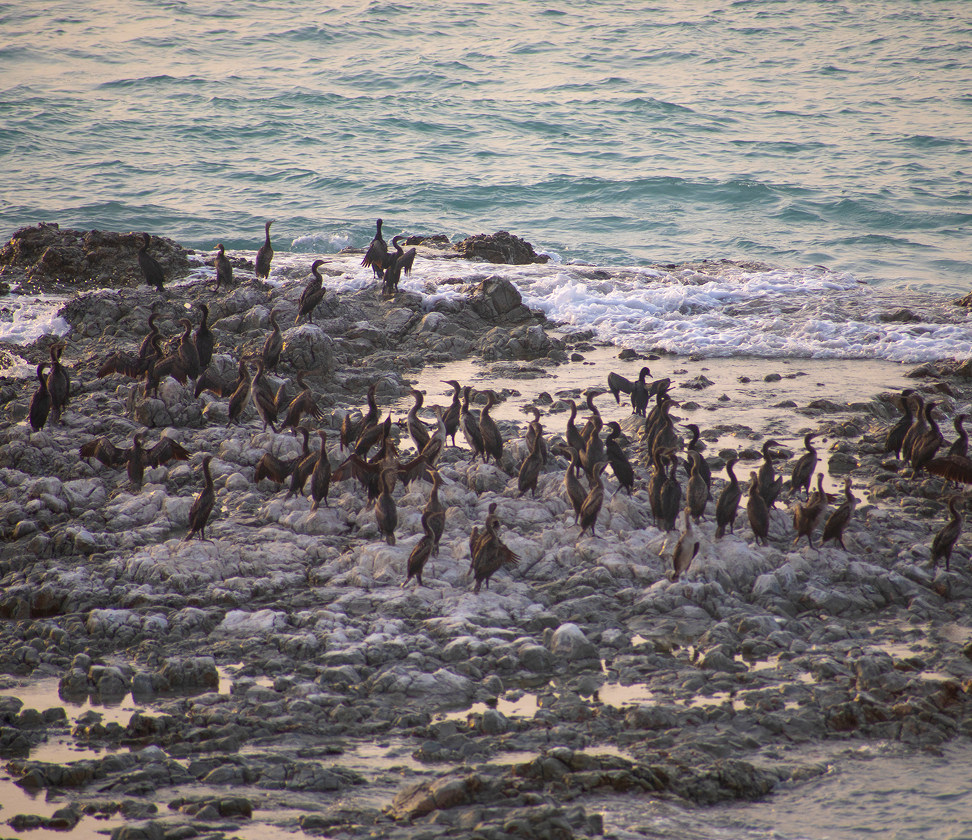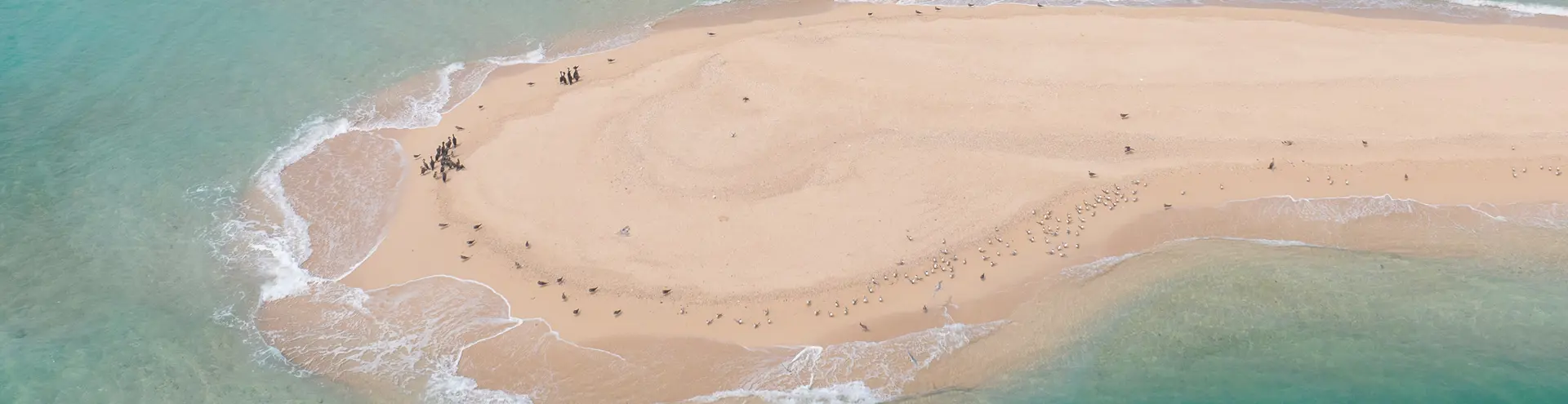
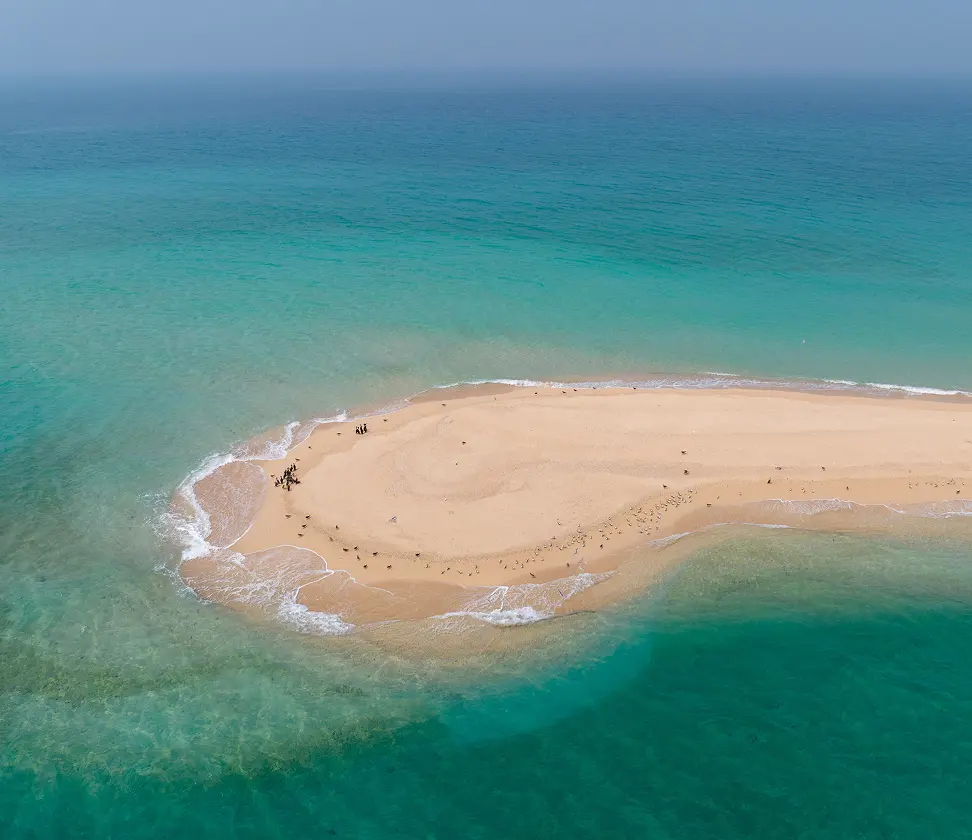
Sir Bu Nair Island is located in the southern Arabian Gulf, approximately 110 km west of the Emirate of Sharjah and only 85 km from the northern coast of the Emirate of Abu Dhabi. Covering an area of around 13 square km, the island surrounded by deep blue waters, and is known by its white sandy beaches and rich biodiversity. The rocky areas of the island are characterized by valleys, rocky hills, and shallow depressions. In the northern and eastern parts, flat rocky areas predominate, while the coastline features flat, sandy, rocky, and steep sections.
The island was declared a protected area in the year 2000 by an Emiri Decree issued by His Highness Sheikh Dr. Sultan bin Muhammad Al Qasimi, Member of the Supreme Council and Ruler of Sharjah, with the aim of preserving its unique environment and biodiversity.
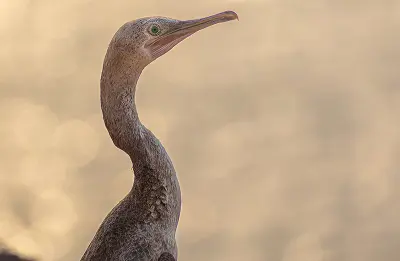
Environmental Significance
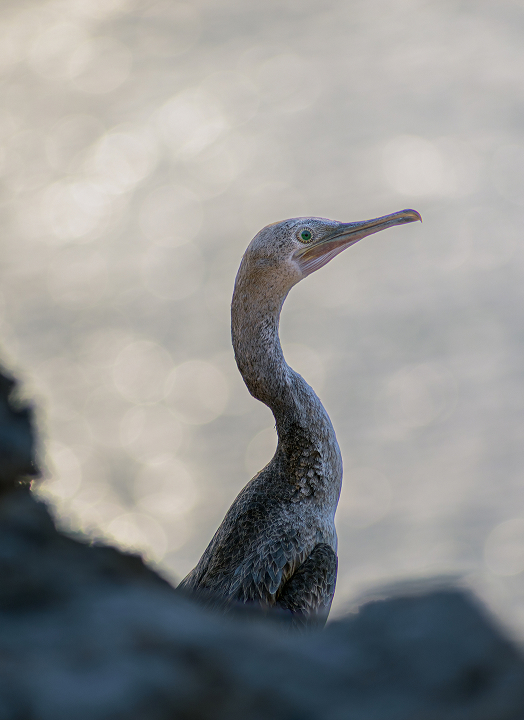
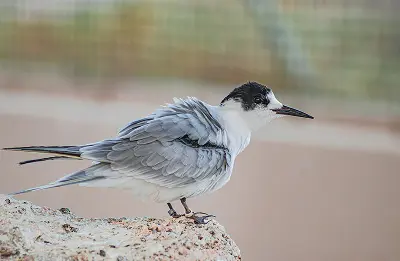
Sir Bu Nair Island holds exceptional ecological value, supporting remarkable biodiversity across both marine and terrestrial ecosystems.


Historical Significance
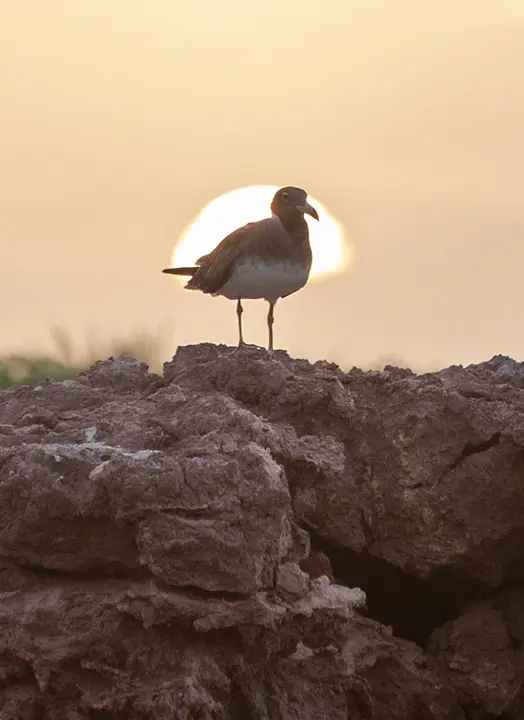
Conservation Efforts and Sustainable Initiatives
A marine turtle monitoring and research program, which monitors turtle nesting activities and behaviour using science-based solutions.
Demonstrate innovative techniques of using micro fragmentation, aiming to rehabilitate reefs and enhance marine biodiversity.
A continuous initiative that involves daily and seasonal campaigns to clear marine debris and plastic waste from the island’s shores. ensuring safe nesting habitats for turtles and seabirds while protecting nearby coral reefs and marine ecosystems.
Enforcement of environmental regulations and visitor awareness programs to ensure ecosystem protection.
Partnerships with research institutions and local stakeholders support biodiversity monitoring, drive sustainability research, and strengthen long-term conservation efforts.
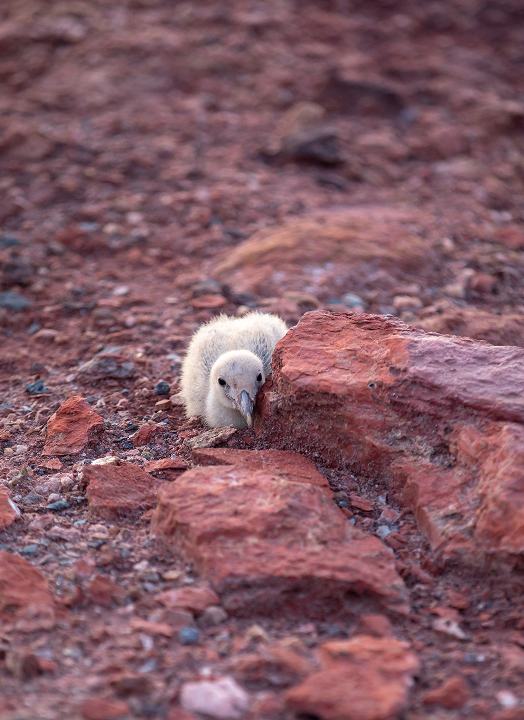
International Recognitions
Listed on UNESCO’s Tentative World Heritage List
Designated as a Wetland of International Importance under the Ramsar Convention
Included in the IOSEA Memorandum of Understanding on the Conservation of Marine Turtles and their Habitats
Recognized on the IUCN Green List of Protected and Conserved Areas as one of the world’s best-managed protected areas
Sir Bu Nair Festival