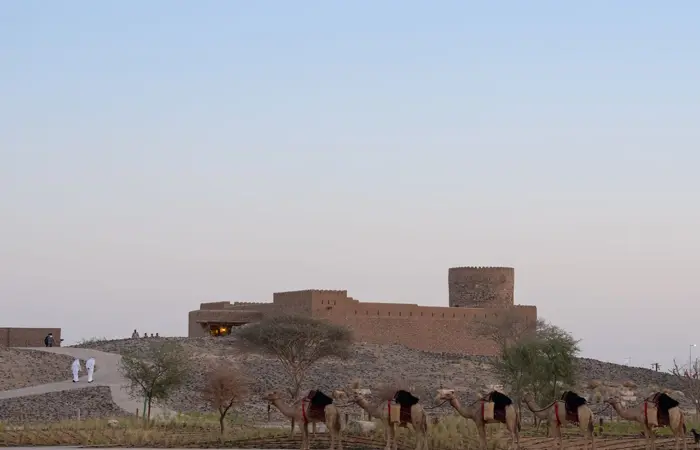
Fili Fort
A restored fort in Fili where caravan routes, falaj heritage, and traditional Emirati life are brought vividly to life.
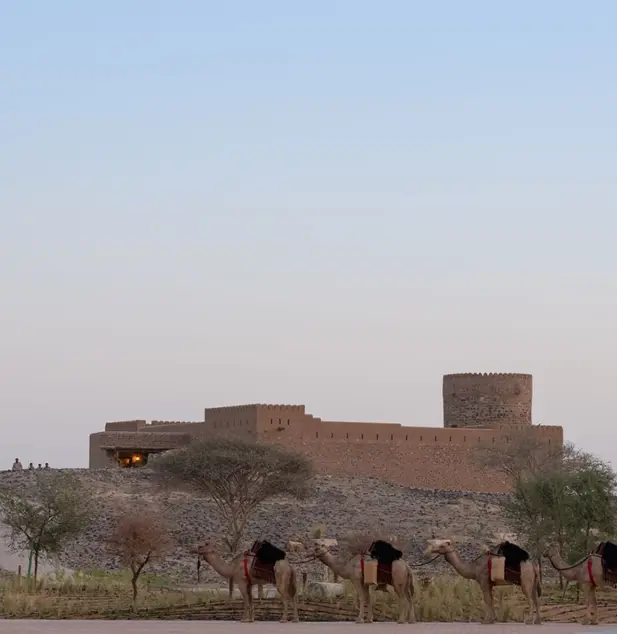
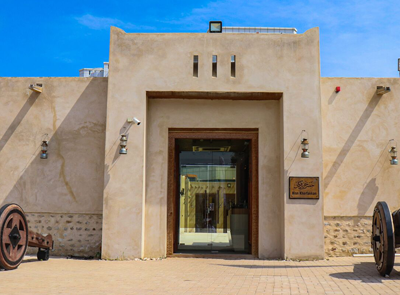
Located in the Fili area in Sharjah’s Central Region, Fili Fort is a restored heritage landmark that offers visitors a rich journey into the history of settlement, trade, agriculture, and daily life in the region.
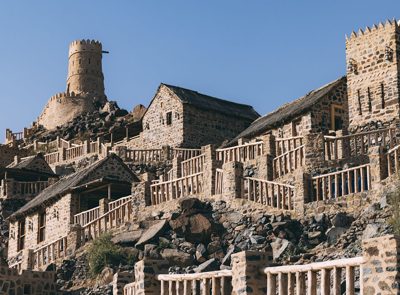
As part of the wider Fili Heritage project, the fort reflects an important chapter in the story of the Central Region, where fortified architecture, water systems, and caravan routes shaped the lives of communities for centuries. Built using rammed mud, local stone, palm trunks, palm fronds, and traditional plaster, the fort stands as an authentic reflection of Fili’s agricultural environment and local building traditions.
Inside the fort, visitors can explore a series of spaces that reveal different aspects of historic life. These include a defensive tower, rooms that once served for surveillance, storage, and استقبال / reception, and a central courtyard that formed the heart of daily movement within the fort. A dedicated guard’s room highlights the fort’s protective role through displays related to the guard’s responsibilities, clothing, and tools.
One of the fort’s highlights is a room that tells the story of caravan routes, showing how Fili once served as a key stop for travellers moving between the coast and the interior. Thanks to its strategic location and reliable water source, the area became an important place for rest, resupply, and trade. The fort also displays a rare collection of 19th-century copper coins and archaeological finds that reflect the depth of commercial activity and everyday life in the area.
Another key feature is the falaj room, where visitors can experience an interactive model explaining the construction of the Dawoodi falaj and the way water was distributed to farms. This space highlights the deep connection between Fili, agriculture, and the sustainable use of water.
The fort also includes a weapons room displaying traditional arms and tools used in the area, as well as objects linked to falconry and horsemanship, both of which hold an important place in local heritage. A dedicated date syrup room reveals how dates were preserved and processed using traditional methods, underlining their historical role in food security and the local economy.
Visitors can also explore a traditional kitchen section featuring Emirati cooking utensils, coffee-making tools, and displays of historic methods used to prepare dishes such as harees, rice, meat, and regag bread. These details offer insight into the spirit of hospitality that shaped life in traditional Emirati homes.
Adjacent to the fort is a restored heritage house designed as a cultural museum reflecting the lifestyle and customs of earlier generations. The house displays traditional furnishings, household items, incense burners, coffee tools, spices, herbs, and women’s crafts and adornment, including items linked to talli embroidery and sadu weaving.
The experience is further enriched by a nearby heritage café, designed with traditional façades and handcrafted wooden details, offering visitors a welcoming place to pause within the historic setting.
Together, these spaces make Fili Fort far more than a restored building. It is a living cultural destination where architecture, craftsmanship, agriculture, hospitality, and heritage come together in a meaningful visitor experience.
Fili Fort is located in the Fili area near Al Madam in Sharjah’s Central Region, and forms part of the wider Fili Heritage destination. The site is connected by a direct road linking Al Watan Road (E84) in Mleiha to Fili, making access easier for visitors travelling from Sharjah, Dubai, and surrounding areas. The fort is also closely connected to Fili Falaj and Sharia’t, the heritage house, the heritage café, and the surrounding agricultural landscape, allowing visitors to experience the wider story of water, settlement, and oasis life in one destination.