Al Dhaid Fort
This historical fortress is a symbol of the legacy and characteristics of the people of the region and circumstances they sustained over time.


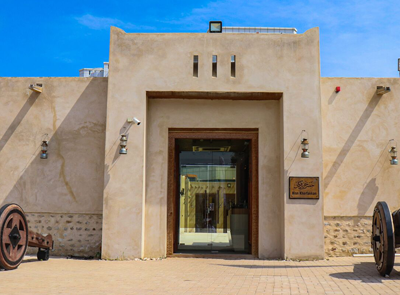
Al Dhaid Fort is a testament to the ancient history of the city of Al Dhaid, which once formed a prosperous oasis with fresh water, fruitful palms and defensive buildings that provide security and safety for its residents. This historical fortress is a symbol of the legacy and characteristics of the people of the region and circumstances they sustained over time. The fort, which dates back to 1820 during the reign of Sheikh Sultan bin Saqr Al Qasimi, then ruler of Sharjah, consists of a square-shaped building; 32 meters long and 26 meters wide and includes a number of rooms that have been converted into exhibition halls containing historical displays of the city of Al Dhaid and its heritage.
Shariat Al Dhaid (Al Dhaid Water Stream)
The fort was built near the Shariat of Al Dhaid, which was a station where caravans rested and were supplied with water and food. It is one of the most important aflaj (water way) in Al Dhaid, a meeting point and the place to stock up on water and food before beginning a journey.
Document Hall
Repository for documents related to the Dhaid Fort in particular and the Al Dhaid region in general. Ancient archives including information from the British Archives, as well as local writings that mention Al Dhaid, listing geographical facts, political facts and social events that took place in the region are collected here.
Arms Hall
Several types of weapons that were used in Dhaid in the past, including stone arrows from the fourth millennium BC, in addition to swords, daggers, and armour, and a number of models of firearms and ammunition.
Sheikh's Room
It contains a number of personal items that the Sheikh used during his stay in the fort. Al Dhaid fort served as the seat of the Ruler of Sharjah during his stay in Al Dhaid, whether during his travels to the eastern region, or during his time near the Al Dhaid Oasis.
Liwan
The shaded hallway that was the place of the family gathering for the people of the fort, the liwan includes the hall of caravan and trade routes, which includes a number of murals describing the caravan routes to and from the city of Al Dhaid. The fort also displays models of the original size of camels, loading equipment and the types of goods that were carried during the trips.
Kitchen
Here you can see samples of all the tools that were used in the past in the cooking process and types of spices, grains and vegetables, as the foods that were prepared in the fort for the family and soldiers varied, and the tables for special occasions and celebrations that were attended in the kitchen or the fort's courtyard were distinguished. The grain store and zakat reflect the security of the fort, where farmers used to make their livelihoods from fruits, sorting them and allocating part of them for zakat. As for the room of the mudbasa, it contains a visual display and models to describe the process of making date molasses.
The Souk
The fort includes a souk located at the rear of the fort, which was built entirely of clay and timber with an advanced design that takes into account safety and security standards without changing the architectural heritage of the building. The souk consists of dozens of shops that vary between restaurants, bakeries, cafes and shops dedicated to the people of Al Dhaid, in which they sell their local, household and heritage products.
Mini Camel Track
Next to the market, a mini camel track has been prepared, in which camels pass, to embody the old caravans that used Al Dhaid as their station. 300 parking spaces have been provided for visitors to the fort and the market.